

The Louvre Museum (Musée du Louvre) in Paris, France, is the world’s largest and most visited art museum. With its striking glass pyramid entrance and vast collection spanning thousands of years, the Louvre is a global symbol of art, culture, and history.
History & Architecture
Originally built as a fortress in the late 12th century, the Louvre was transformed into a royal palace before becoming a public museum in 1793 during the French Revolution. The museum’s distinctive glass pyramid, designed by architect I.M. Pei, was added in 1989, blending modern architecture with the historical grandeur of the palace.
Collections & Masterpieces
The Louvre houses over 35,000 works of art, covering a diverse range of civilizations, time periods, and artistic styles. Its vast galleries are divided into eight departments:
- Egyptian Antiquities – Home to ancient relics, including the Great Sphinx of Tanis.
- Near Eastern Antiquities – Artifacts from Mesopotamia, Persia, and ancient civilizations.
- Greek, Etruscan, and Roman Antiquities – Includes the iconic Venus de Milo.
- Islamic Art – A collection of exquisite ceramics, textiles, and manuscripts.
- Sculptures – Notable pieces like the Winged Victory of Samothrace.
- Decorative Arts – Royal furniture, jewelry, and exquisite tapestries.
- Paintings – Features Leonardo da Vinci’s Mona Lisa, The Wedding at Cana, and Liberty Leading the People by Delacroix.
- Prints & Drawings – A treasure trove of sketches, engravings, and manuscripts.
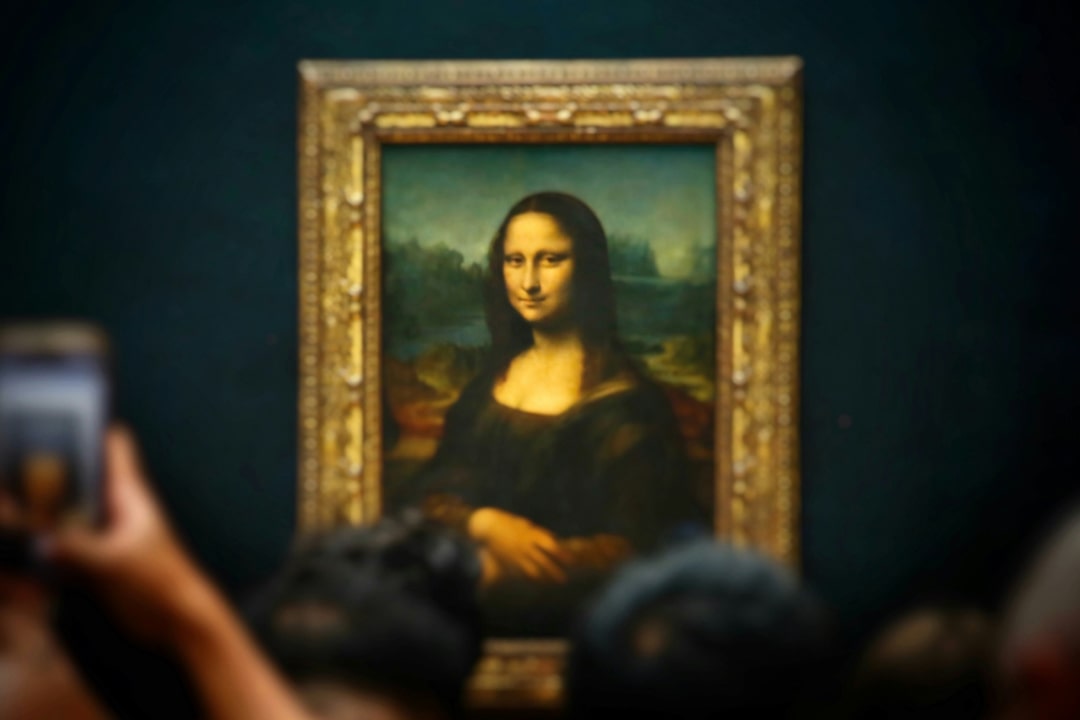
Mona Lisa: The Crown Jewel
Arguably the most famous painting in the world, Mona Lisa by Leonardo da Vinci is housed in the Louvre. Its enigmatic smile, mysterious background, and legendary theft in 1911 have contributed to its immense fame. Visitors from around the world flock to see this masterpiece behind its bulletproof glass enclosure.
Visitor Experience
- Location: Rue de Rivoli, 75001 Paris, France
- Annual Visitors: Over 7 million people
- Must-See Areas: The Denon Wing (home to the Mona Lisa), Richelieu Wing (sculptures), and Sully Wing (Egyptian artifacts).
- Tip: The museum is vast, so visitors should plan their visit in advance to explore key highlights.
Conclusion: Art for Everyone
The Louvre is more than just a museum; it’s a cultural phenomenon that houses some of the greatest artistic achievements in human history. Whether it’s ancient sculptures, Renaissance paintings, or historical artifacts, the Louvre offers an unparalleled journey through the world of art.