Civilization
Prehistoric Art
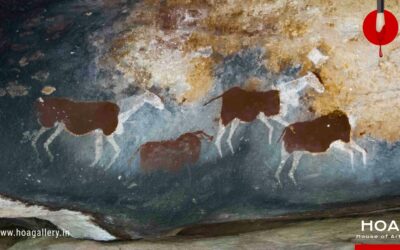
The cave paintings in Lascaux, France, and Altamira, Spain, are among the earliest examples of art. Created over 17,000 years ago, these works depict animals and hunting scenes, showcasing early humans’ connection to nature and survival.
- Significance: These works were more than decoration; they were believed to hold spiritual or ritualistic importance, possibly to ensure a successful hunt.
- Over centuries, art movements like the Renaissance, Baroque, Impressionism, and Modernism reshaped human expression. Each era brought new techniques, ideas, and ways of seeing the world. Whether it was Michelangelo’s frescoes, Van Gogh’s emotive strokes, or Picasso’s abstract forms, art has always been a mirror reflecting both the triumphs and struggles of humanity.
Ancient Civilizations
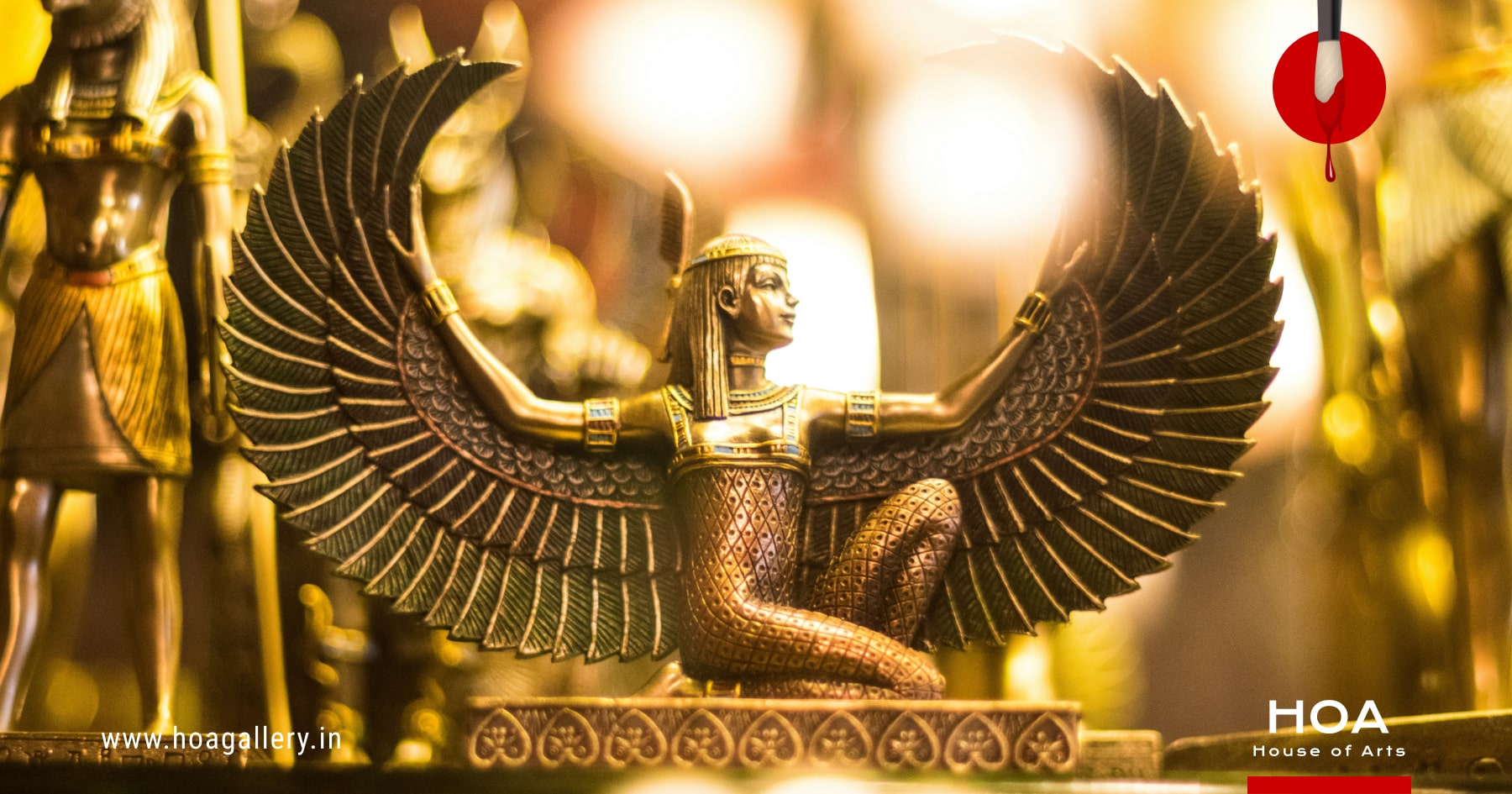
Egyptian Art: The Pyramids, the Great Sphinx, and the detailed hieroglyphs inside tombs reflect a society deeply focused on the afterlife. Art here was symbolic and stylized, portraying gods, pharaohs, and daily life.
Mesopotamian Art: Ziggurats and cylinder seals symbolize early innovations in architecture and storytelling. The Standard of Ur is an iconic artifact displaying scenes of war and peace.
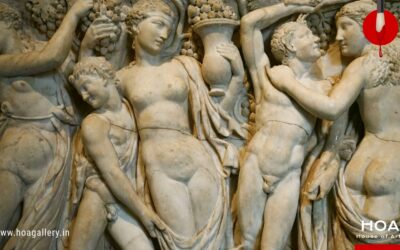
Greek and Roman Art: Ancient Greece introduced realistic sculptures like the “Venus de Milo” and architectural marvels like the Parthenon. Rome adapted these traditions, adding grandeur with works like the Colosseum and mosaics.
Art in Ancient India/ Bharat/ Hindustan/ Aryabhat
Indus Valley Civilization: Art during this period (c. 2500–1900 BCE) included intricate seals, pottery, and figurines, such as the famous “Dancing Girl” statue. These works reflected advanced craftsmanship and cultural sophistication.
Mauryan and Gupta Empires: The Mauryan period (c. 322–185 BCE) is known for its grand stupas, like Sanchi Stupa, and pillars like the Ashoka Pillar, which conveyed messages of Buddhism and governance. The Gupta era (c. 320–550 CE) marked a golden age of art, with masterpieces like the Ajanta and Ellora caves, showcasing elaborate frescoes and sculptures.
Temple Architecture: From the Dravidian temples of South India, like the Brihadeeswarar Temple, to the Nagara-style temples in Khajuraho, Indian art emphasized intricate carvings and spiritual symbolism.
Miniature Paintings: Flourishing during the Mughal era (16th–18th centuries), miniature paintings depicted court scenes, battles, and mythological themes, blending Persian and Indian styles.
Medieval and Religious Art
Christian and Byzantine Art: Mosaics and illuminated manuscripts were common, emphasizing spiritual themes. Icons, such as those found in Hagia Sophia, were revered as sacred objects.
Islamic Art: Characterized by intricate geometric patterns, calligraphy, and architecture, such as the Alhambra in Spain and the Taj Mahal in India, Islamic art avoided depictions of living beings, focusing instead on divine beauty.
Renaissance to Baroque
Renaissance Art: Marked a revival of classical ideals, with artists like Leonardo da Vinci and Michelangelo creating masterpieces such as the “Mona Lisa” and the Sistine Chapel ceiling.
Baroque Art: With dramatic lighting and dynamic compositions, works like Caravaggio’s “The Calling of St. Matthew” and Bernini’s “Ecstasy of Saint Teresa” sought to evoke emotion and awe.
Modern and Contemporary Art
Impressionism: Artists like Monet and Degas captured fleeting moments with light and color, breaking away from rigid academic styles.
Abstract Art: Movements like Cubism and Abstract Expressionism, led by artists like Picasso and Kandinsky, redefined form and perspective.
Digital and Street Art: The 21st century has seen a rise in digital media and street art, with creators like Banksy blending social commentary with accessible visual art.
Disclaimer: This overview focuses on major milestones in art history and is not an exhaustive account of all artistic traditions.