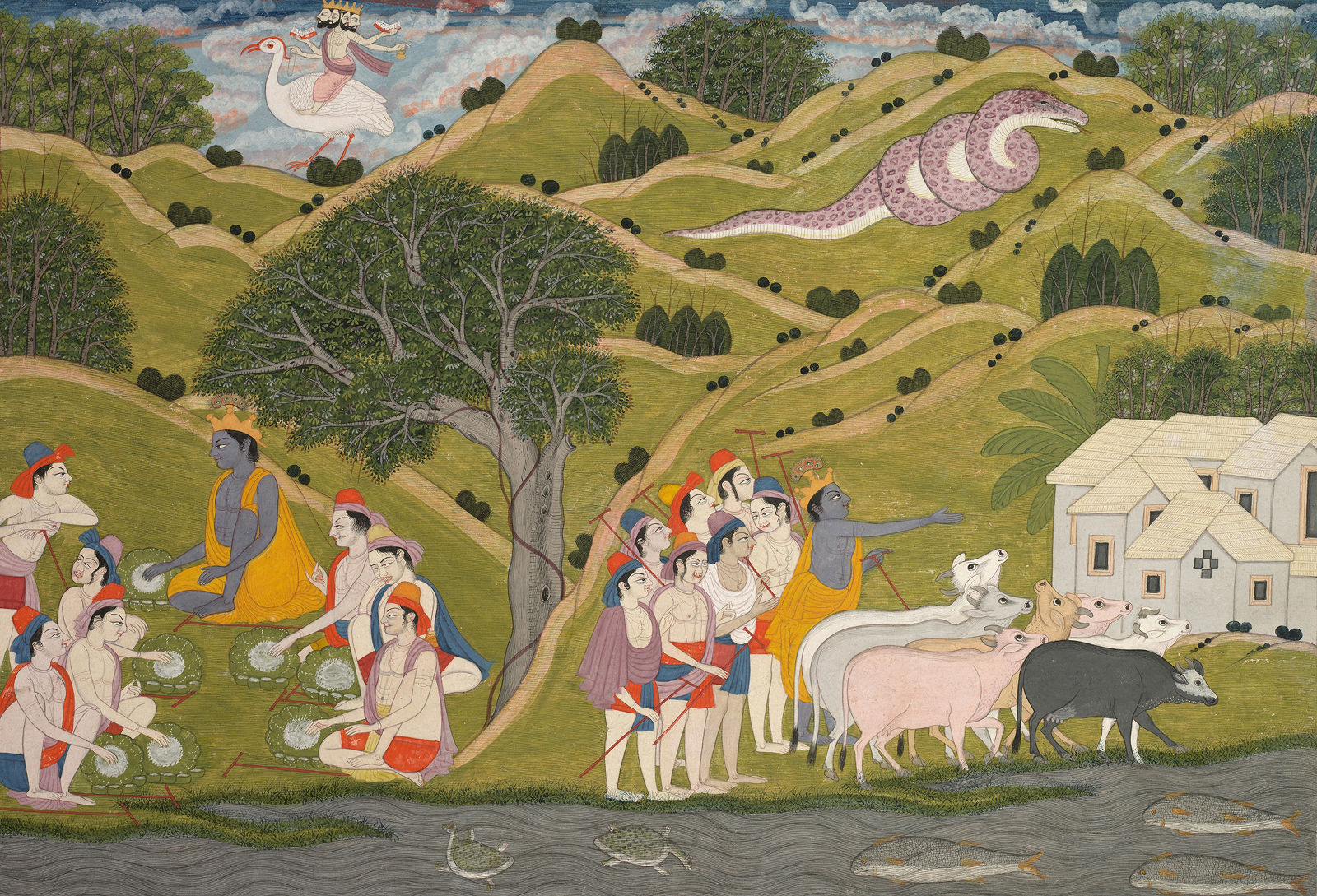
Indian art history is one of the world’s richest and most continuous traditions, spanning over 5,000 years, from prehistoric cave paintings to contemporary modern art. It reflects India’s diverse religions, philosophies, dynasties, and cultural exchanges. Here’s a timeline-style overview:
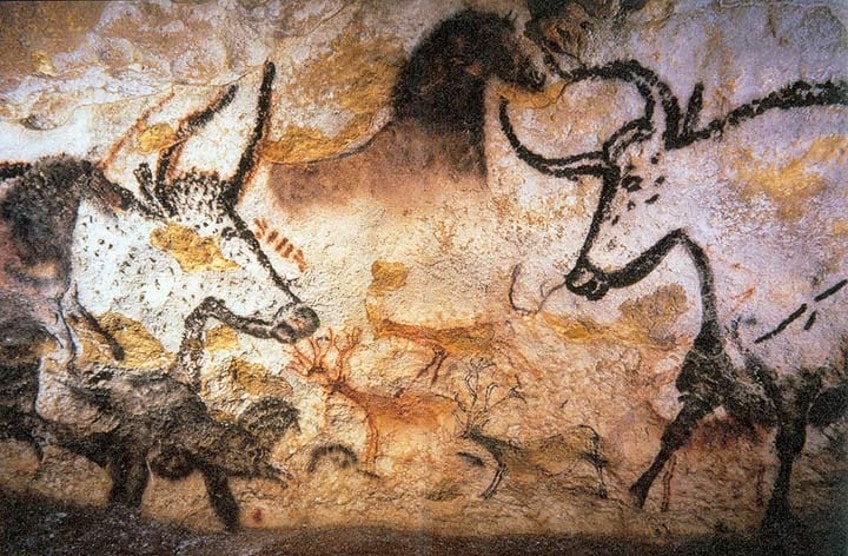
Prehistoric Art (c. 30,000 – 2000 BCE)
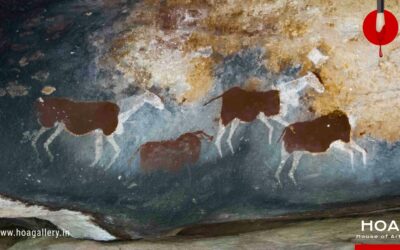
- Bhimbetka Rock Shelters (Madhya Pradesh): Earliest known cave paintings depicting hunting, dancing, and animals.
- Mostly red and white pigments from natural minerals.
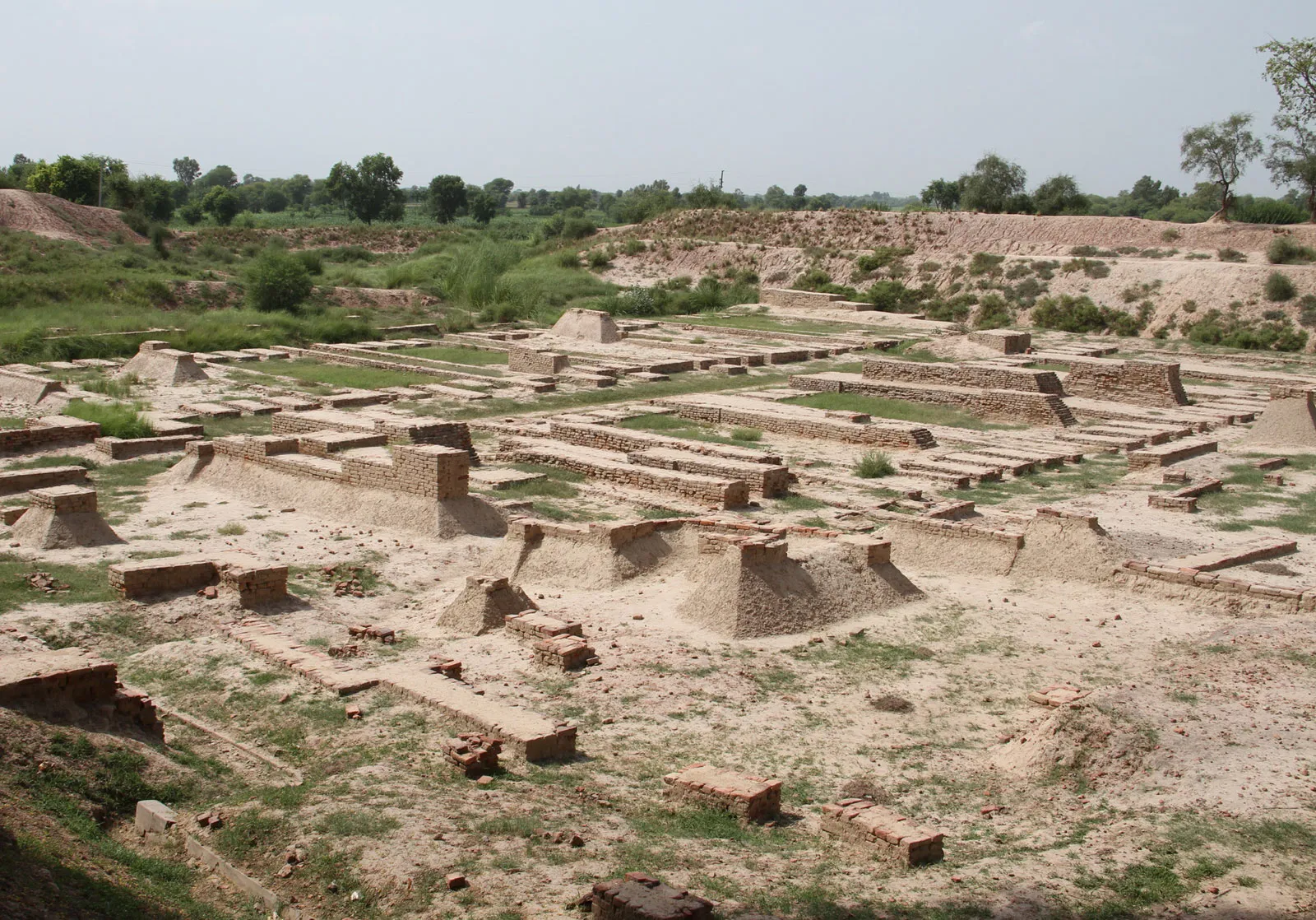
🛕 Indus Valley Civilization (c. 2500 – 1500 BCE)
- Advanced urban culture with terracotta figurines, pottery, seals with animal motifs, and small bronze sculptures (e.g., Dancing Girl of Mohenjo-Daro).
- Emphasis on stylized human and animal forms.
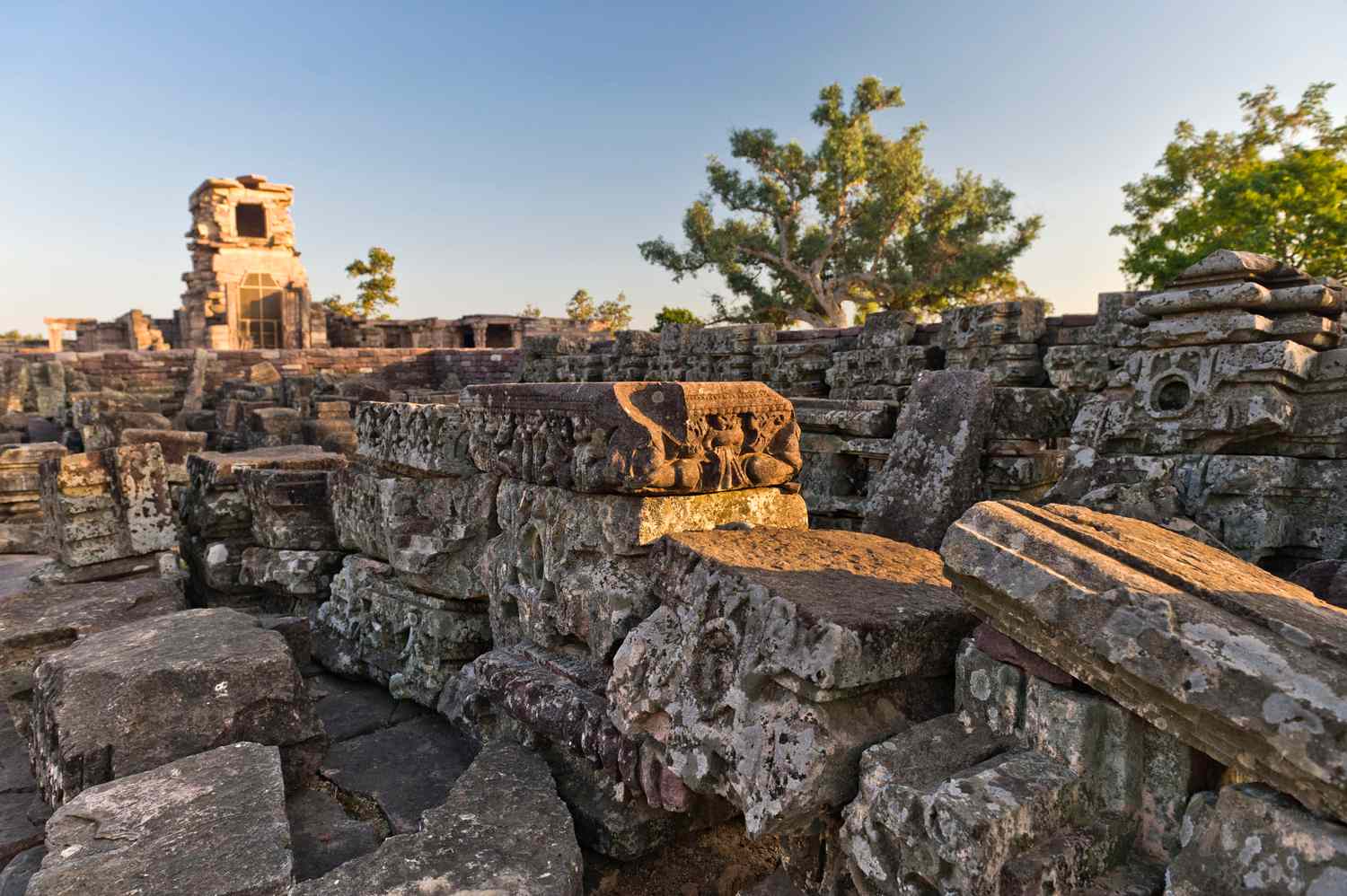
Maurya Period (322 – 185 BCE)
- Rise of large-scale stone sculpture and Ashokan pillars with animal capitals (e.g., Lion Capital of Sarnath, India’s national emblem).
- Early Buddhist stupas (Sanchi).
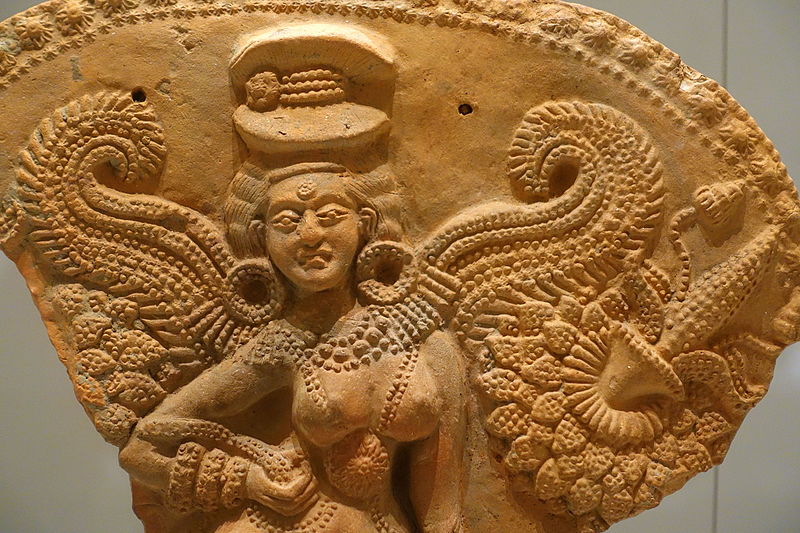
Shunga, Kushan & Gandhara Period (200 BCE – 320 CE)
- Flourishing of Buddhist art.
- Gandhara art (NW India) showed Greco-Roman influence (realistic drapery, wavy hair in Buddha statues).
- Mathura art (N. India) developed more indigenous styles with rounder forms and symbolic imagery.
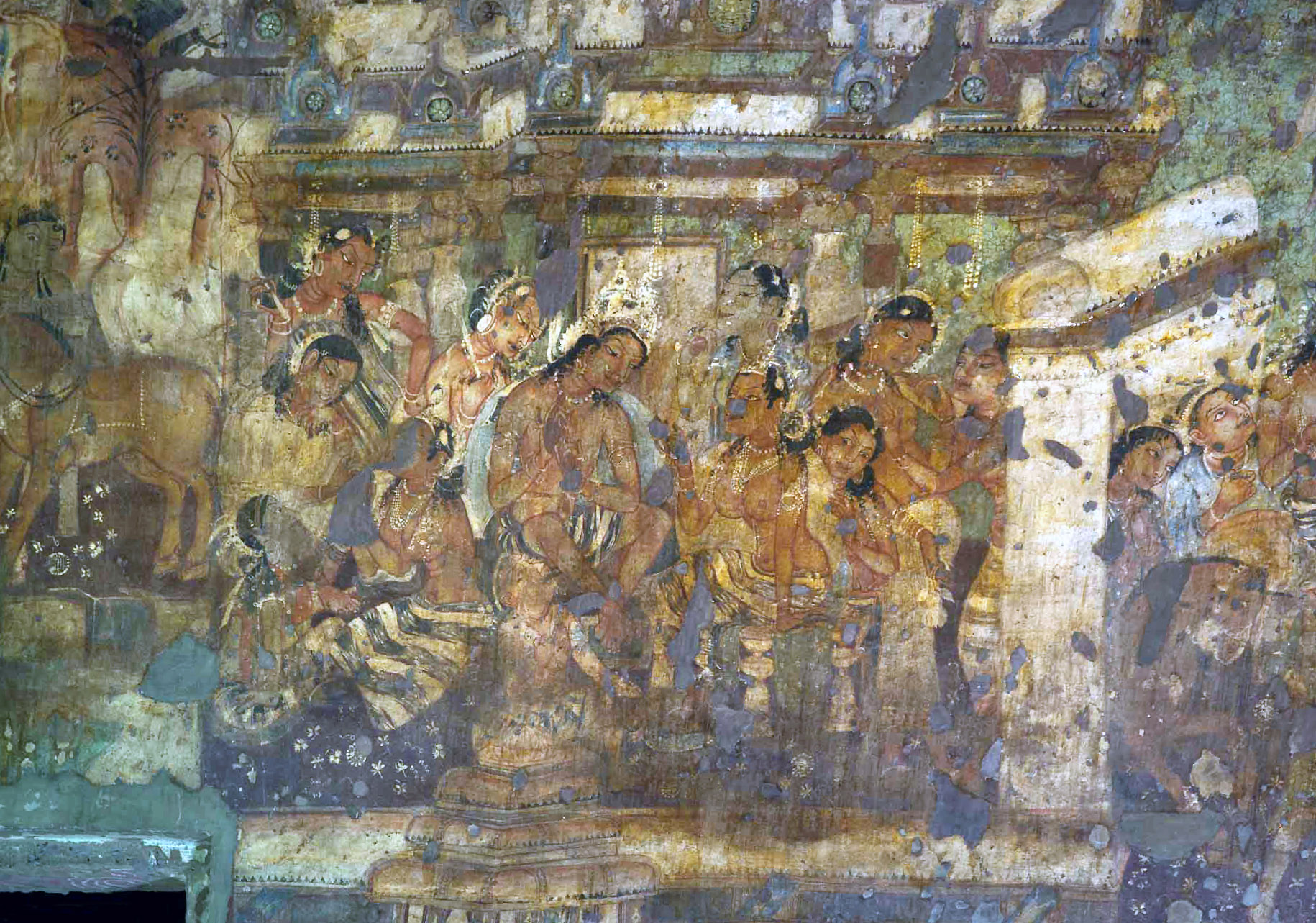
Gupta Period (c. 320 – 550 CE) – Golden Age of Indian Art
- Classical perfection in Buddha and Hindu deities’ sculpture.
- Ajanta Caves murals – narrative paintings of Jataka tales, with graceful figures and naturalistic shading.
- Standardized iconography for Vishnu, Shiva, and Devi.
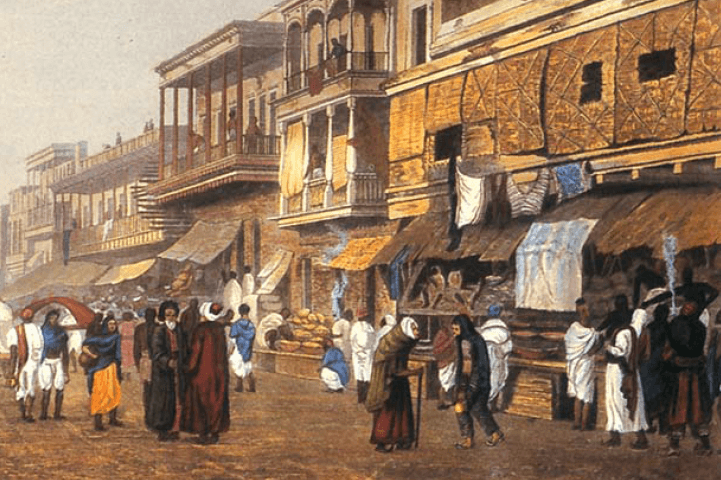
Early Medieval (600 – 1200 CE)
- Rise of Hindu temple architecture:
- North India (Nagara style): Khajuraho temples (sculptural eroticism + divine imagery).
- South India (Dravidian style): Brihadeeswarar Temple (Chola dynasty).
- Chola Bronzes: Masterpieces like Nataraja (dancing Shiva).
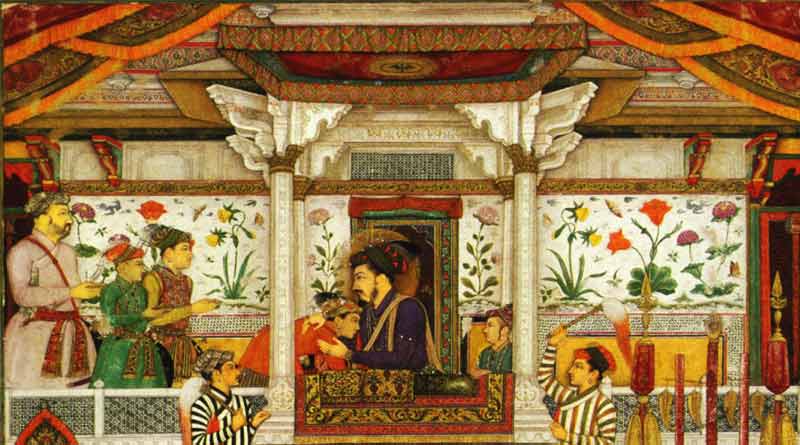
Sultanate & Mughal Era (1200 – 1700 CE)
- Indo-Islamic architecture: Qutub Minar, Alai Darwaza.
- Mughal painting: a fusion of Persian miniatures + Indian themes (Akbar, Jahangir, Shah Jahan courts).
- Taj Mahal as pinnacle of Mughal architecture.
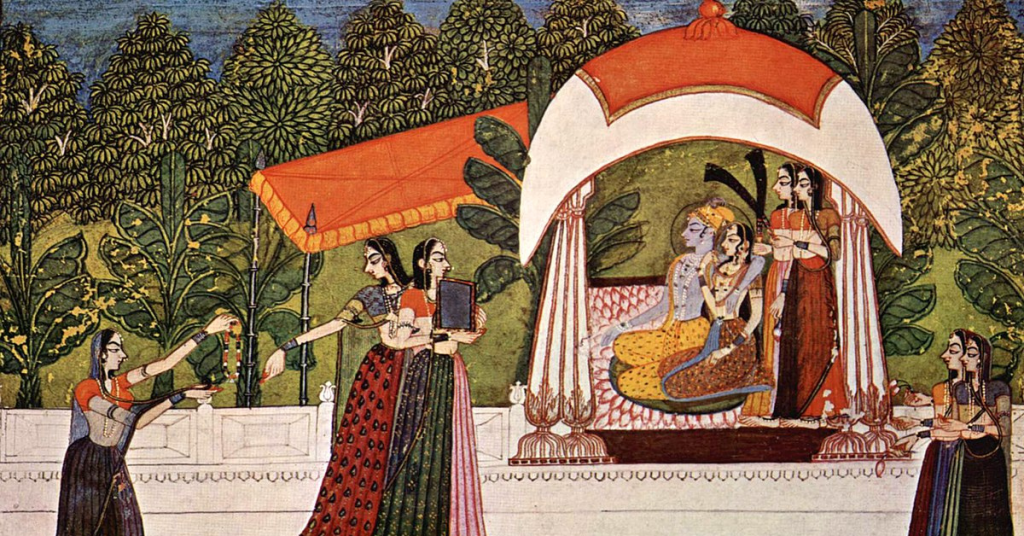
Rajput & Deccan Schools (16th – 19th Century)
- Rajput Paintings: Vibrant miniature styles in Mewar, Bundi, Jaipur, Kangra—depicting epics (Ramayana, Bhagavata Purana), love stories, and nature.
- Deccani Paintings: Rich colors, Persian influence, mystical themes.
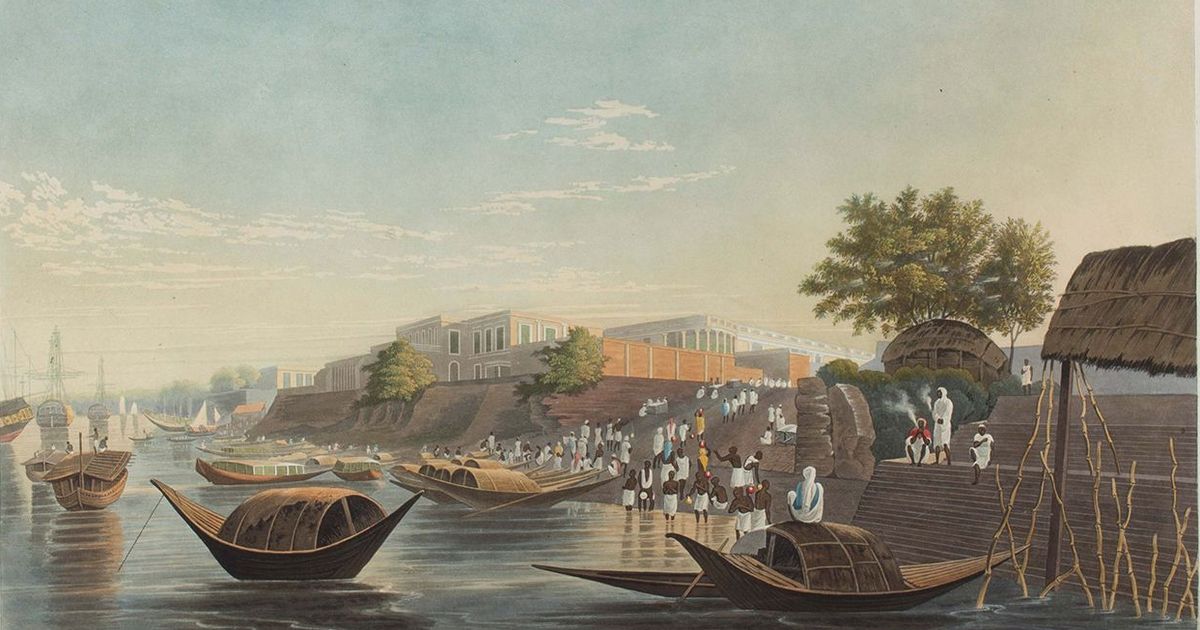
Colonial Period & Bengal School (18th – early 20th Century)
- British brought European academic realism.
- Raja Ravi Varma: Combined Indian themes with oil painting techniques.
- Bengal School (Abanindranath Tagore, Nandalal Bose): Revival of Indian traditional aesthetics, rejecting Western dominance.

Modern & Contemporary Art (20th Century – Present)
- Progressive Artists’ Group (1947): F.N. Souza, M.F. Husain, S.H. Raza—blended modernism with Indian sensibilities.
- Contemporary artists: Anish Kapoor, Subodh Gupta, Bharti Kher—global presence.
- Art now explores identity, politics, tradition, and modernity.