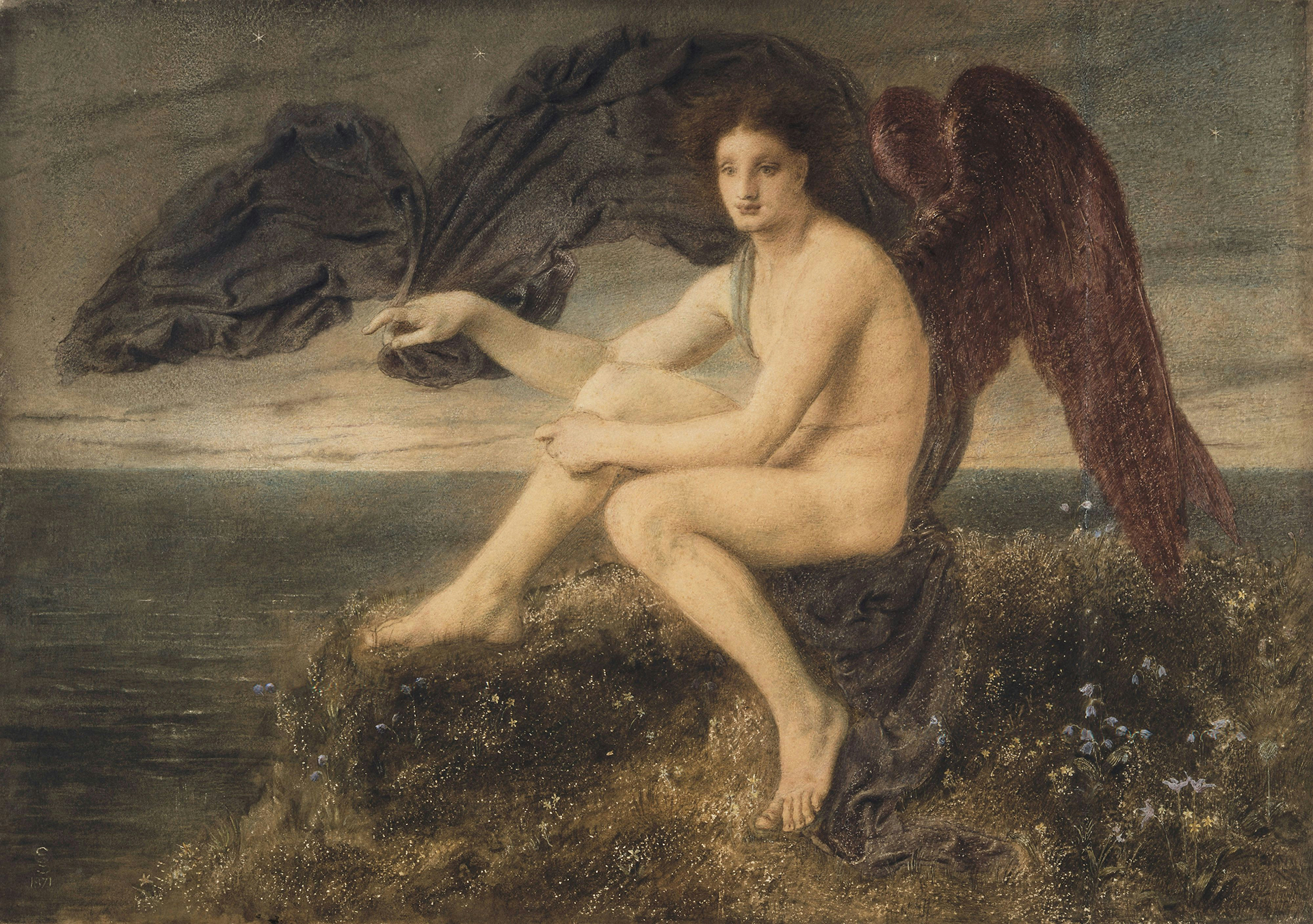
Most art academies teach live nude drawing or painting (often called life drawing) because it’s considered one of the fundamental exercises in understanding the human form, which has been central to art for centuries. Here’s why it remains important:
🎓 1. Purpose and Educational Value
a. Foundation of Figurative Art
The human body is one of the most complex and expressive subjects in visual art. From ancient sculptures to modern animation, understanding anatomy helps artists:
-
Draw realistic figures in motion
-
Create believable characters (even imaginary ones)
-
Capture balance, rhythm, and proportion accurately
Life drawing builds the foundation for everything from portrait painting to fashion design, concept art, and medical illustration.
b. Training the Artist’s Eye
Working from a live model develops observational accuracy:
-
Artists learn to see true form, not symbols or assumptions (for example, not just “an arm,” but how it connects, turns, and carries weight).
-
Light, shadow, texture, and perspective are observed directly.
-
The brain begins to think spatially — imagining the volume behind each contour.
This makes artists far more skilled when later working from photos or imagination.
🧍♀️ 2. The Learning Process
a. Warm-Up (Gesture Drawing)
-
Short poses (30 seconds to 2 minutes)
-
Focus: capturing the movement, energy, and flow of the pose
-
Builds fluidity and confidence — not every line must be perfect
b. Anatomy and Structure Studies
-
Longer poses (10–30 minutes)
-
Students study bones, muscles, and proportion
-
Teachers often explain how internal structure affects external form
c. Finished Studies
-
Extended poses (1–3 hours or over several sessions)
-
Students focus on composition, lighting, tone, and mood
-
This stage often leads to final drawings or paintings displayed in exhibitions
🏛️ 3. Historical and Cultural Background
-
Ancient Greece and Rome: celebrated the nude form as an ideal of beauty and heroism.
-
Renaissance (14th–16th centuries): artists like Michelangelo and Leonardo da Vinci dissected human bodies to understand anatomy scientifically.
-
19th-century art academies (France, Italy, England): life drawing became a core discipline — every painter had to master it before progressing to other subjects.
-
Modern art education: even in digital or abstract fields, life drawing is still used to train observation and confidence.

⚖️ 4. Professional and Ethical Framework
a. Environment
- Neutral, quiet, and well-lit studio
- Poses designed for artistic study, not erotic display
- Often a mix of male and female models, of various body types
b. Code of Conduct
- No photos without permission
- Students must maintain a respectful demeanor
- The model’s comfort and privacy are prioritized
- Sessions are supervised by instructors
c. Model Training
- Holding poses safely
- Understanding anatomy and gesture
- Communicating limits or discomfort respectfully
Professional art models are trained in:
🧠 5. Modern Relevance
Today, even with 3D software and digital tools, live figure drawing remains irreplaceable because:
-
Real human observation develops intuition about movement and light.
-
It nurtures empathy — understanding the human condition, not just its form.
-
It encourages artistic honesty — seeing and representing people as they are.